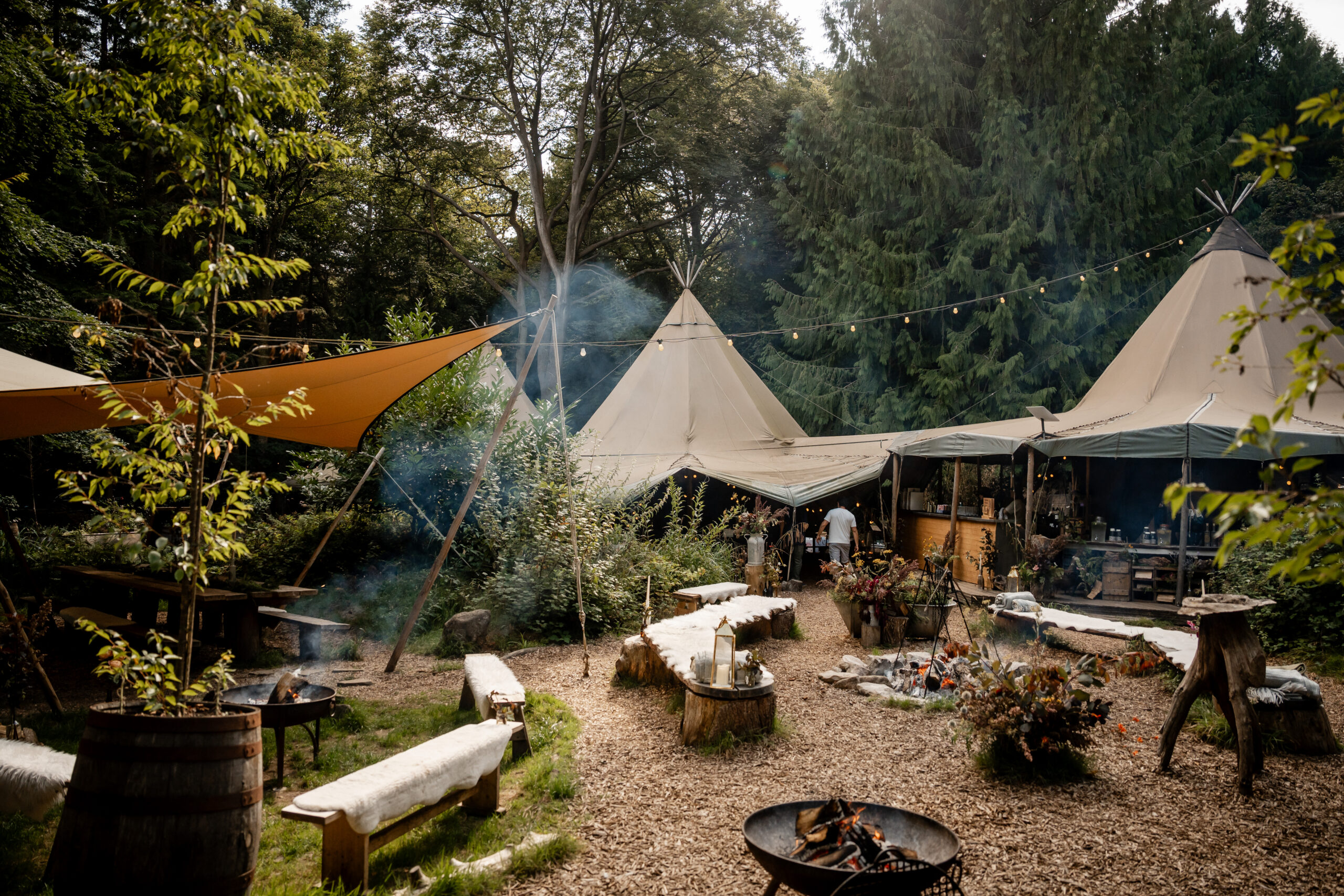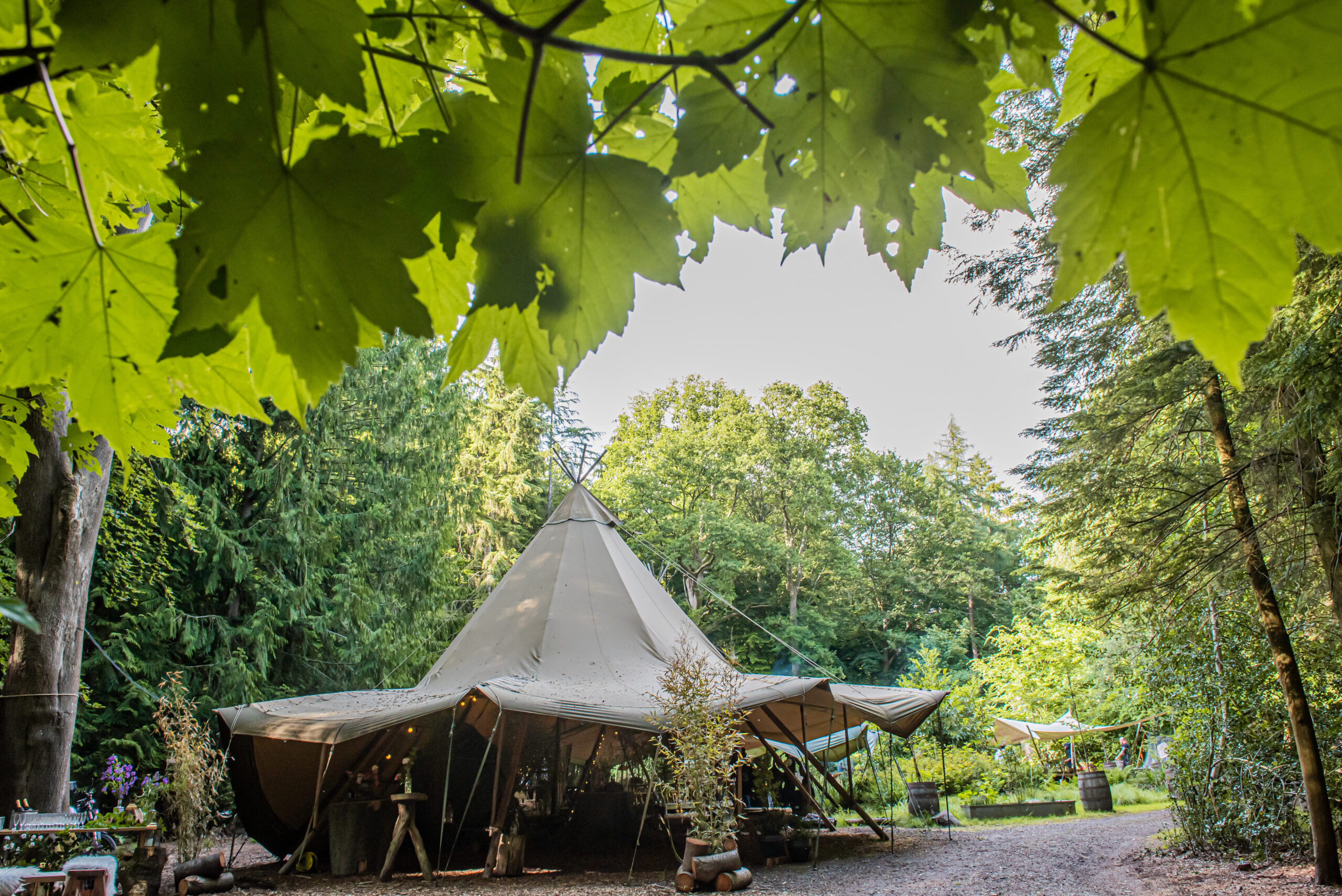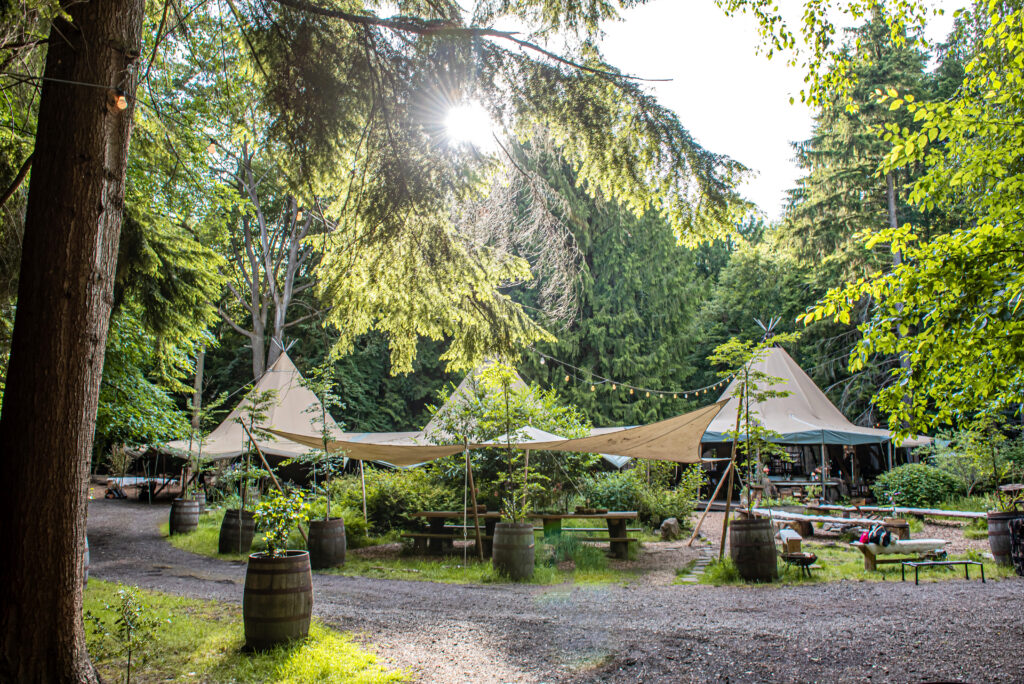
Running Nomadic Dinners, a self proclaimed ‘restaurant without walls’ in the middle of the woods means accepting, sooner or later, that the illusion of control will be taken from you.
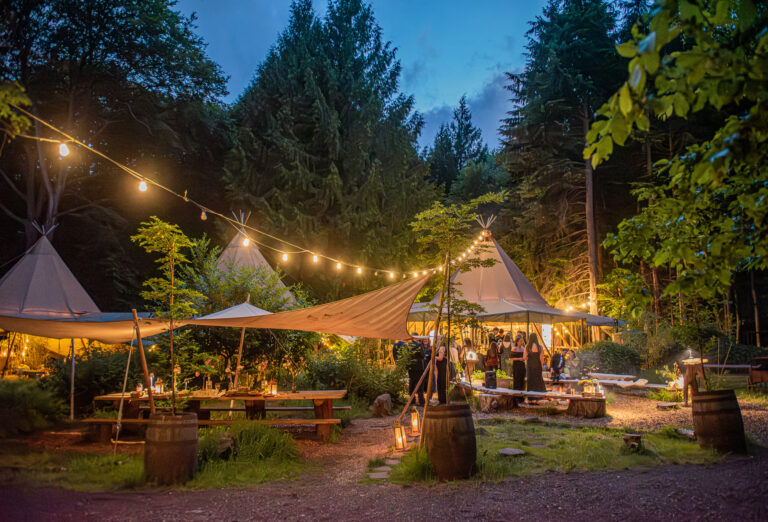
For us, it happened on an evening that had begun with almost theatrical perfection.
As guests began arriving in their dozens with our tables beautifully laid out everything went black. The national grid had failed across the entire area.
No electricity means no refrigeration, no induction hobs, no lighting.
In the woods, without power, there is no residual glow from a nearby building — only the full, ancient weight of darkness.
There was a brief stillness. The kind that tests leadership.
Customers don’t lower expectations because infrastructure collapses.
Investors don’t relax targets because conditions changed.
Guests don’t want explanations — they want the experience to continue.
So we moved.
Candles were brought out first — dozens of them. Then more. The darkness softened into something intimate. Our team handed out cosy blankets to guests, wrapping them around shoulders as the night air crept in. What could have felt like disruption began to feel deliberate.
Behind the scenes, it was less romantic.
Ice packs were layered carefully over ingredients to protect them. Chefs strapped on head torches and continued cooking, beams of light slicing through the dark. Service recalibrated pacing. Communication sharpened. No drama — just decisions.
And the strangest part?
Our guests didn’t even notice.
Or if they did, they experienced it as magic rather than malfunction.
Last week, I attended a talk at London Business School by Lloyd Dorfman, founder of Travelex. He spoke about how when building a business you never move smoothly from bottom left to top right as he put it. Markets shift. Plans stall. External shocks intervene. If you expect the path to unfold exactly as forecast, you’re mistaking hope for strategy.
That night in the woods felt like a living case study.
Your long-term plan can go dark in an instant.
Funding environments change.
Entire sectors lose power.
No one adjusts their expectations because your environment became difficult. They expect leadership. They expect calm. They expect solutions.
Control is often overrated.
Responsiveness — creative, composed, disciplined responsiveness — is not.
The grid failed.
The experience did not.